
Child nutrition in rural India.
Two programmes, 350 children, 26 villages. Structured with practitioners, delivered with accountability, and measured child by child.
Prevention first.
We start by keeping vulnerable children healthy before malnutrition takes hold, and where children are already malnourished, we fund the food that brings them back. Measured child by child, accountable, and built with the community.
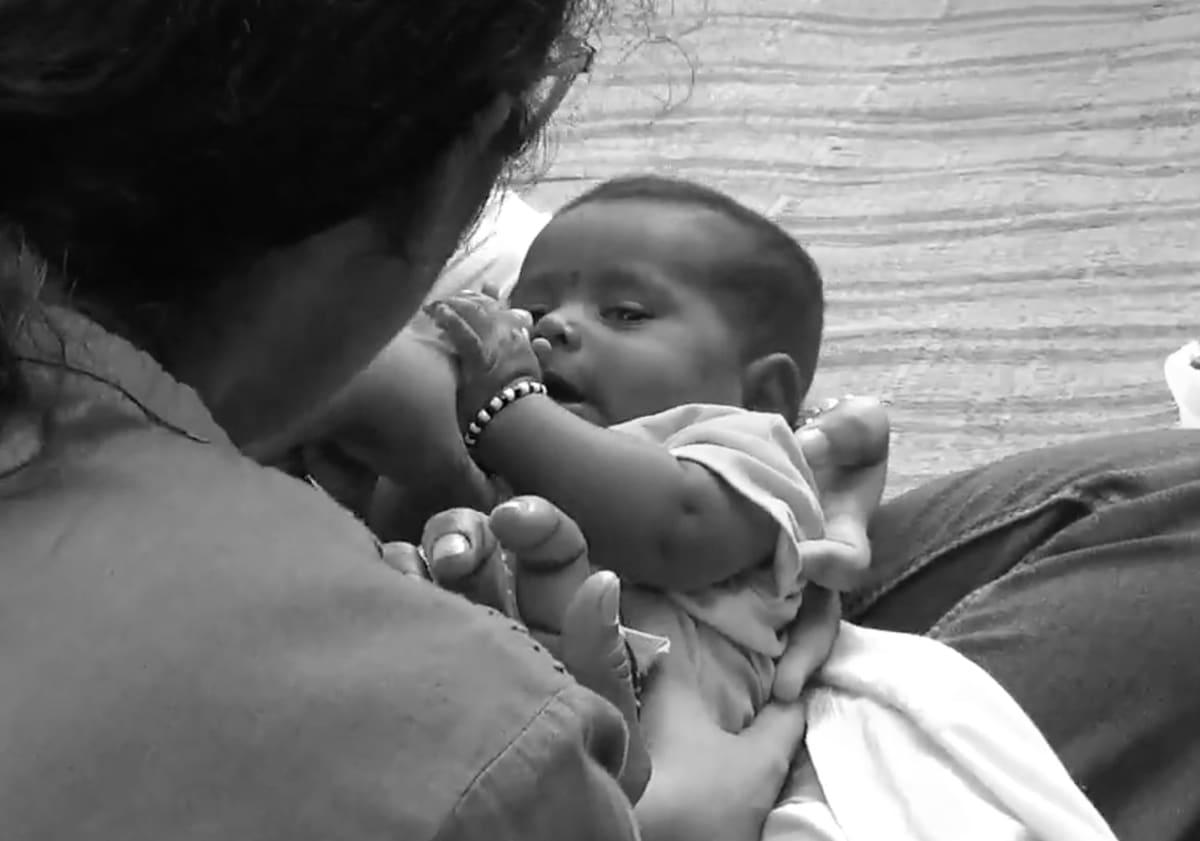
Roha, Maharashtra · Sustained Nutrition
Project Roha
A prevention-first nutrition model focused on maintaining healthy baselines across vulnerable rural communities, informed by three years of prior regional intervention experience.
250
Children
25
Villages
Monthly
nutrition
Ongoing
monitoring
Caregiver
engagement
The monthly basket · per child
Chana
250 g
Mung, whole
250 g
Kabuli chana
250 g
Shing dana
250 g
Per child, per month, incl. GST
₹120
Karasgaon, Maharashtra · Nutrition Recovery
Project Karasgaon
One hundred malnourished children whose ground support is carried locally. Every rupee goes into the raw material itself: a monthly basket of four protein-dense staples at ₹120 a child, including GST.
100
Children
₹120
A month per child
Local
hands
Monthly
basket
Recovery
tracked
We add a region only after the groundwork is done.
Roha took three years of regional work before the first child was enrolled. Karasgaon joined when its local groundwork was already in place and only the food was missing. We hold every region to that same standard: we would rather prove the model on children we can account for one by one than announce a map we cannot deliver. The next region will appear here the same way, with its numbers attached.
Where we work, and why there.
Both programmes sit in rural India, in Maharashtra villages where the same three pressures meet.
Roha is a taluka in Raigad district, Maharashtra, a few hours from Mumbai and a world away from its clinics. The villages Project Roha serves sit at a distance from health infrastructure that turns a routine check into a day’s journey, on incomes that rise and fall with the season, and on diets that thin out in the months between harvests. A child there is not malnourished because nobody cares; a child there is one bad month away from it.
Karasgaon is where the second programme runs, for children already past that line. Local hands carry the ground support, and what was missing was only the food: a monthly basket of four protein-dense staples costed at ₹120 a child. We chose both places the same way, by starting where local partners had already done years of groundwork, and by refusing to add a region until that groundwork exists.
How a programme is built.
The order matters. Every region goes through the same three stages, and none of them is skipped to move faster.
Groundwork
Years of local presence before the first rupee. Partners who know the villages, a baseline for every child, and a community that has agreed to the programme rather than received it.
Enrol and measure
Children join as a cohort and are measured individually from day one: mid-upper-arm circumference, weight and height against age. The numbers set the plan.
Sustain
A monthly rhythm of nutrition, measurement and caregiver sessions that runs long enough for the habits and the local system to keep working without us.
What a month looks like on the ground.
Early in the month the nutrition goes out: in Roha as a measured monthly support for each enrolled child, in Karasgaon as the basket itself, chana, whole mung, kabuli chana and shing dana, 250 grams of each. It is bought locally so the money stays in the village, and it is handed over by people the families already know.
Later in the month comes the measurement round. Every child is weighed, measured and tracked against their own last reading, so a dip shows up in weeks rather than at the next crisis. Caregiver sessions run alongside it: mothers and caregivers see the numbers, ask the questions, and carry the practice home. Then the figures roll up into the totals you see on this site.
Who does the work.
We fund, measure and report. The work itself is done by people who were already there.
Local partners
Grassroots organisations with years in these villages carry the programme day to day. They enrol, distribute and follow up; we resource them and hold the numbers.
Practitioners
Nutrition and child-health practitioners set the protocol, decide what gets measured and read the results. The rigour is theirs, not a template of ours.
Caregivers
The families are partners with agency, not beneficiaries. The gains hold because the people closest to the child own the routine.
Back a programme.
Roha keeps children healthy before malnutrition takes hold. Karasgaon brings back the children already in it. Both run on monthly support.